
How to Use a Pneumatic Air Impact Wrench: A Step-by-Step Guide
Step-by-Step Guide: Professional Usage of Pneumatic Impact Wrenches
Pneumatic impact wrenches are essential, high-torque tools for industrial applications. This guide ensures safe operation, maximum tool longevity, and precision in your workflow.

Operational Workflow
01
Preparation & System Setup
Ensure your compressor meets the tool's CFM requirements. Connect the air hose using anti-leakage tape on all threads to prevent power loss.
02
Pressure Calibration
Set the air pressure between 90 to 120 PSI. Operating outside this range damages the internal seals and shortens service life.
03
Safety & Trigger Control
Always use Impact-Rated Sockets. Position the wrench firmly, and use controlled bursts to prevent over-tightening or stripping.
Torque Specifications & Applications
| Grade | Torque Range | Primary Applications |
|---|---|---|
| Light-Duty | Up to 150 ft-lbs | Assembly, furniture, minor repairs |
| Medium-Duty | 150 - 400 ft-lbs | General automotive, tire service |
| Heavy-Duty | 400 - 1,200 ft-lbs | Truck fleets, structural construction |
| Ultra Heavy | Over 1,200 ft-lbs | Industrial bridges, heavy machinery |
Featured: LEMATEC 1/2" Medium-Duty Series
Drive Size Selection
3/8" Drive: Explore 3/8" Series. Compact power for confined engine bays.
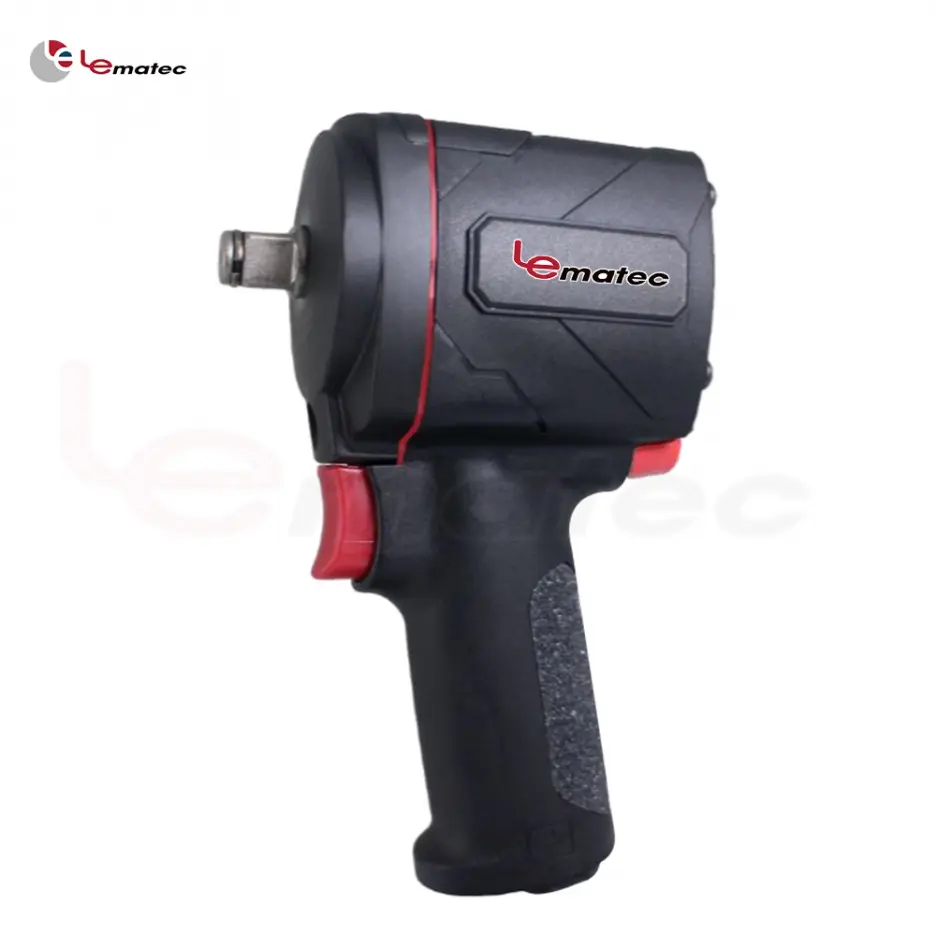
1/2" Drive: Explore 1/2" Series. The global standard for automotive professional shops.
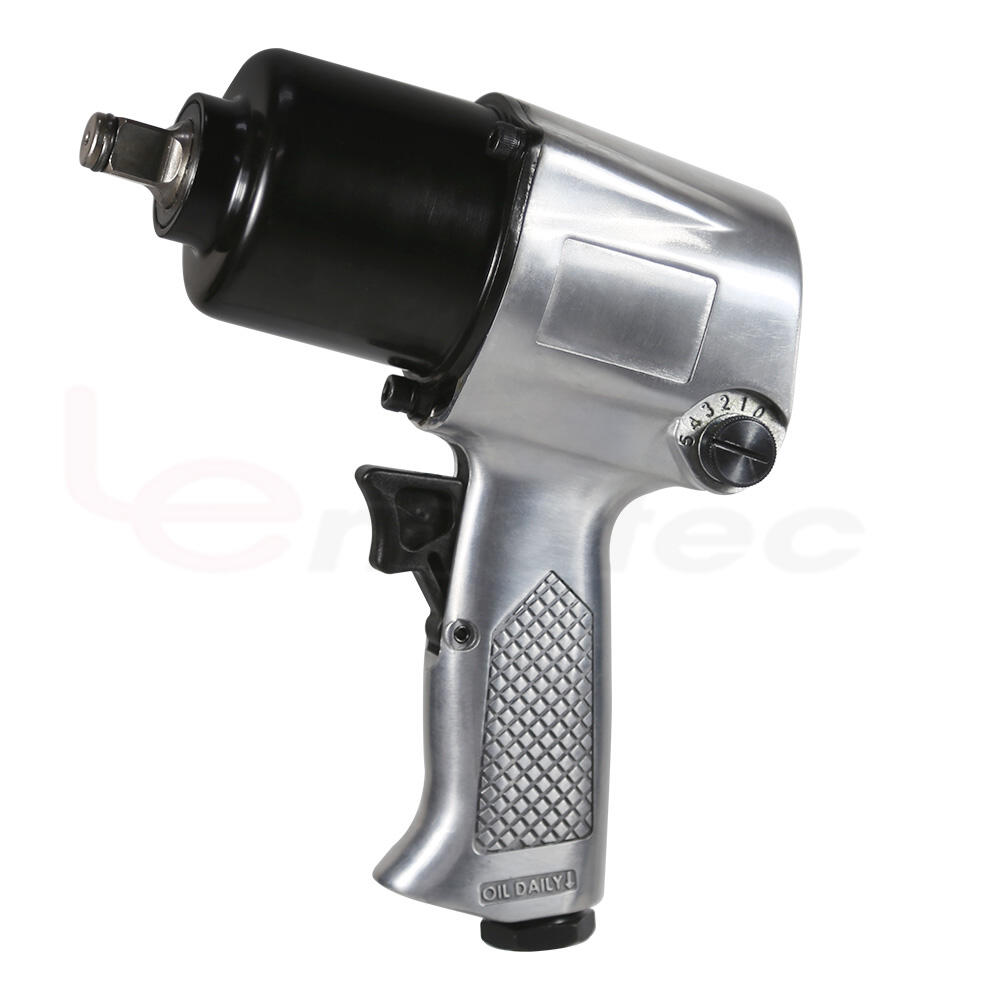
3/4" & 1" Drive: Explore Industrial Series. Heavy-impact tools for fleets and construction.
Maintenance Essentials
- Daily Oil: Apply 3-5 drops of pneumatic oil to the air inlet before each shift.
- Drain Air Lines: Regularly purge water from compressor tanks to prevent internal rust.
- Socket Inspection: Check impact sockets for hairline cracks regularly.
2024-05-20