How to choose the correct media to sandblast?
How to Choose the Correct Sandblasting Media? A Complete Reference Guide
The right abrasive makes all the difference.
Sandblasting media (abrasive) is the material used to clean, etch, or polish a surface. Choosing the wrong media can damage your workpiece or result in inefficient cleaning. This guide categorizes media by application, hardness, and shape to help you make the best choice.

Category 1: Heavy Rust Removal & Surface Stripping
These abrasives are typically angular and harder, designed to cut through rust, mill scale, and old paint efficiently.
Extremely sharp and long-lasting. Can be recycled many times. Available in pure white or standard brown grades.
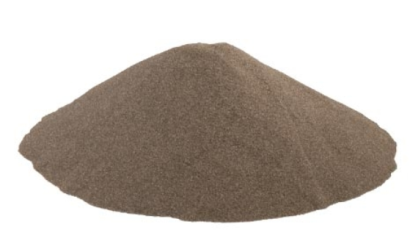
Softer than Aluminum Oxide but still very hard. Fast stripping action. Commonly used for cleaning and etching.
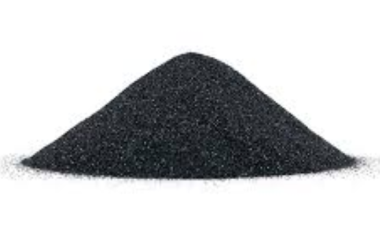
A dispensable by-product of power plants. Produces less dust than copper slag. Cost-effective for open blasting.
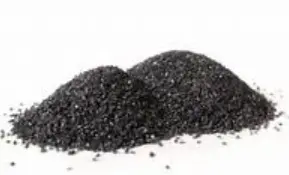
Contains almost no copper. Ranked high on cutting speed and cost-efficiency. Comes in extra-fine grades.
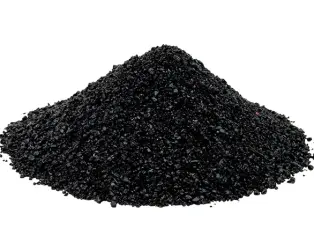
Natural silicate mineral. High stripping rate with very low dust. Excellent for wet or dry blasting.

Silicate of Silica and Iron. Ideal for removing thin coatings and mill scale where a minimal profile is needed.
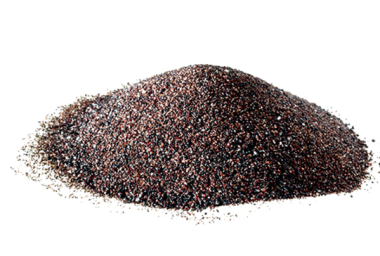
Category 2: Polishing & Surface Finishing
These media are often round or spherical, designed to smooth surfaces (peening) rather than cut them.
Manufactured preformed balls. Leaves a super smooth, bright satin finish. Recyclable up to 30 times.
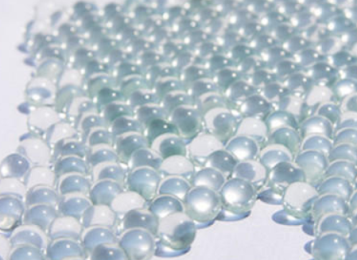
Carbon steel pellets. Produces a very smooth surface. Used for cleaning and polishing metal parts.
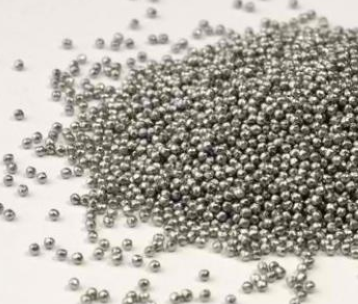
Category 3: Delicate Cleaning & Organic Media
Best for cleaning sensitive surfaces without removing the base material. Non-toxic and eco-friendly.
Non-destructive cleaning. Removes rust without heating or warping metal. Water-soluble.
Versatile soft abrasive. Biodegradable. Cleans without etching or pitting.
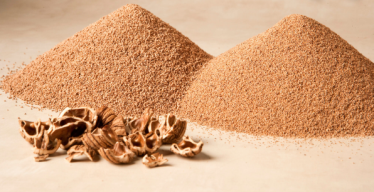
Organic and absorbent. Dries surfaces while cleaning. Does not damage treated surfaces.
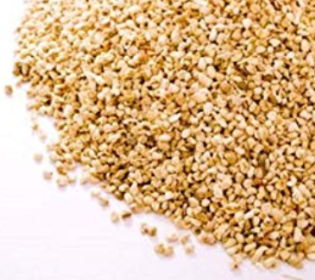
100% recycled glass. Non-toxic and eco-friendly. Great for removing coatings.
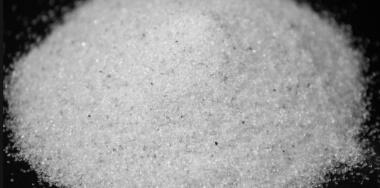
Quick Reference Chart
| Media | Hardness | Shape | Primary Use |
|---|---|---|---|
| Aluminum Oxide | 8-9 Mohs | Angular | Fast Cutting, Etching |
| Steel Grit | 40-65 HRC | Angular | Aggressive Stripping |
| Glass Beads | 5-6 Mohs | Round | Polishing, Satin Finish |
| Soda | 2.5 Mohs | Angular | Delicate Cleaning |
| Walnut Shells | 3-4 Mohs | Angular | Soft Metals, Carbon |
| Corn Cob | 4-4.5 Mohs | Angular | Wood, Oily Surfaces |
| Garnet | 6.5-7.5 Mohs | Angular | General Blasting |
| Copper Slag | 7 Mohs | Angular | Cost-effective Cutting |
💡 Cost Analysis & Efficiency
Don't just look at the price per pound. Consider durability and recyclability. For example, Aluminum Oxide has a higher upfront cost but can be reused many times, making it cheaper in the long run compared to single-use media like Coal Slag.
Get your media NOW
- Aluminum Oxide Grit(Brown Corundum)
Case Study: Wood Restoration
Scenario: Removing old varnish from an antique chair.
Wrong Choice: Using Aluminum Oxide would strip the varnish but also eat into the wood grain, ruining the antique value.
Right Choice: Using Soda or Corn Cob gently removes the varnish without damaging the delicate wood surface.
Frequently Asked Questions
A: For heavy rust on steel, use aggressive media like Aluminum Oxide or Steel Grit.
A: Yes, durable media (Aluminum Oxide, Glass Beads, Steel Shot) can be recycled. Single-use media (Slags, Soda) usually break down after impact.
A: Regularly check nozzles for wear. Worn nozzles waste air and media. Ensure your air supply is dry to prevent media clogging.
- How Much Sand Do You Really Need for Sandblasting?
- What Should You Prepare Before Sandblasting?
New arrival - air spot recycling sandblaster gun:
Vic Chen is the General Manager at Lematec and has over 10 years of experience in digital marketing and the pneumatic industry.